




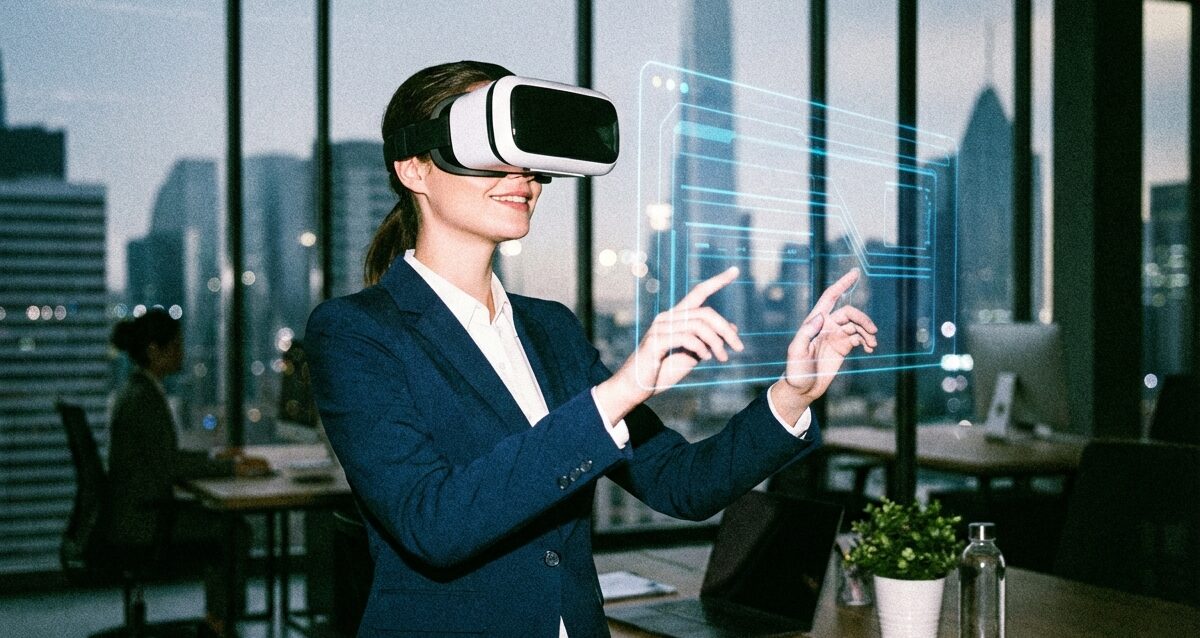
From Clicks to Immersion: How VR Marketing Drives Measurable Growth for Canadian Businesses
Most Canadian SMBs still rely on static marketing tools that barely capture attention. Virtual reality marketing changes that by turning your product into an immersive 3D experience customers want to explore. In this post, you’ll see how VR marketing Canada delivers measurable growth by connecting engagement data directly to your ERP and CRM—helping you prove ROI and scale with confidence.
VR Marketing Benefits for Canadian SMBs
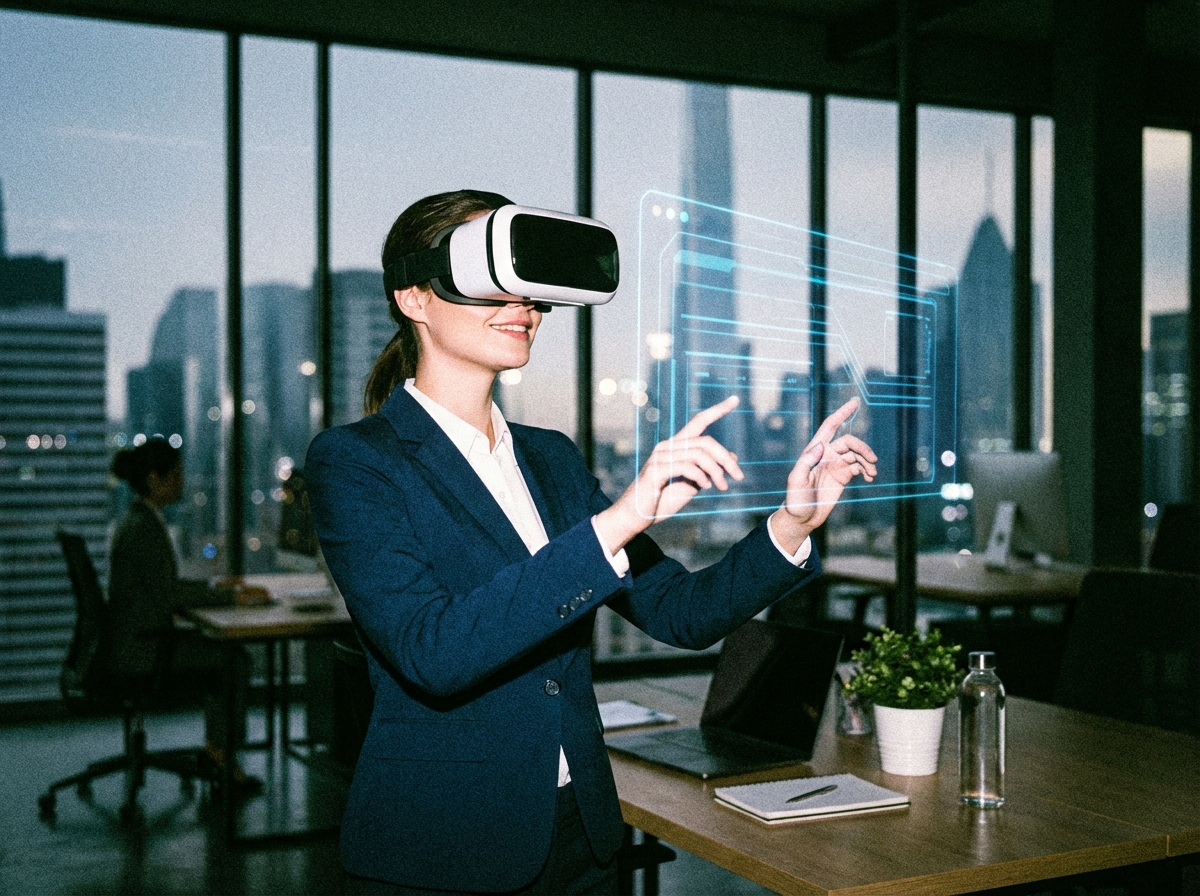
Discover how virtual reality (VR) can change your marketing strategy and offer tangible benefits for your business.
Transforming Customer Engagement
Imagine your customers stepping into a virtual world where they can interact with your products like never before. VR marketing creates an immersive marketing experience, allowing users to explore your offerings in a 3D environment. This approach not only captivates their attention but also keeps them engaged longer. Studies indicate that consumers are 53% more likely to purchase when they can experience products virtually. This means more than just curiosity; it translates to real sales opportunities.
When people engage with your brand in a virtual space, they form a deeper connection. This connection stems from the freedom to interact and explore at their own pace. With VR, your brand isn’t just seen; it’s experienced. This leads to memorable interactions that stick with your audience, prompting them to return. By offering a virtual journey through your products, you’re fostering loyalty and creating advocates for your brand.
Driving Sales with Virtual Showrooms
Virtual showrooms revolutionize how customers shop. They let users explore products without stepping into a physical store. This convenience is crucial for Canadian SMBs aiming to reach wider audiences. A 3D product showcase lets potential buyers view items from every angle, see details up close, and understand features better than static images could ever convey.
This kind of setup not only draws in curious shoppers but also converts them into buyers. Imagine a world where instead of browsing endless web pages, customers walk through your virtual store, picking up products and seeing them in action. This method reduces hesitation and boosts confidence in purchase decisions. As a result, your sales numbers climb, and your customer base grows.
Measuring Success with AI Analytics
Once your VR marketing efforts are in motion, how do you track their success? AI analytics provide the answer. By integrating VR with AI, you gain insights into customer behavior that were previously inaccessible. This data reveals how users interact with your virtual environments, highlighting popular products and pinpointing areas for improvement.
With this information at your fingertips, you’re not just guessing what works; you’re making data-driven decisions. This means optimizing your virtual showrooms to enhance customer satisfaction. By understanding how users navigate your VR experiences, you can refine your strategy, ensuring every interaction is impactful. The result? A more effective marketing approach that delivers results you can measure and trust.
Real-World VR Use Cases
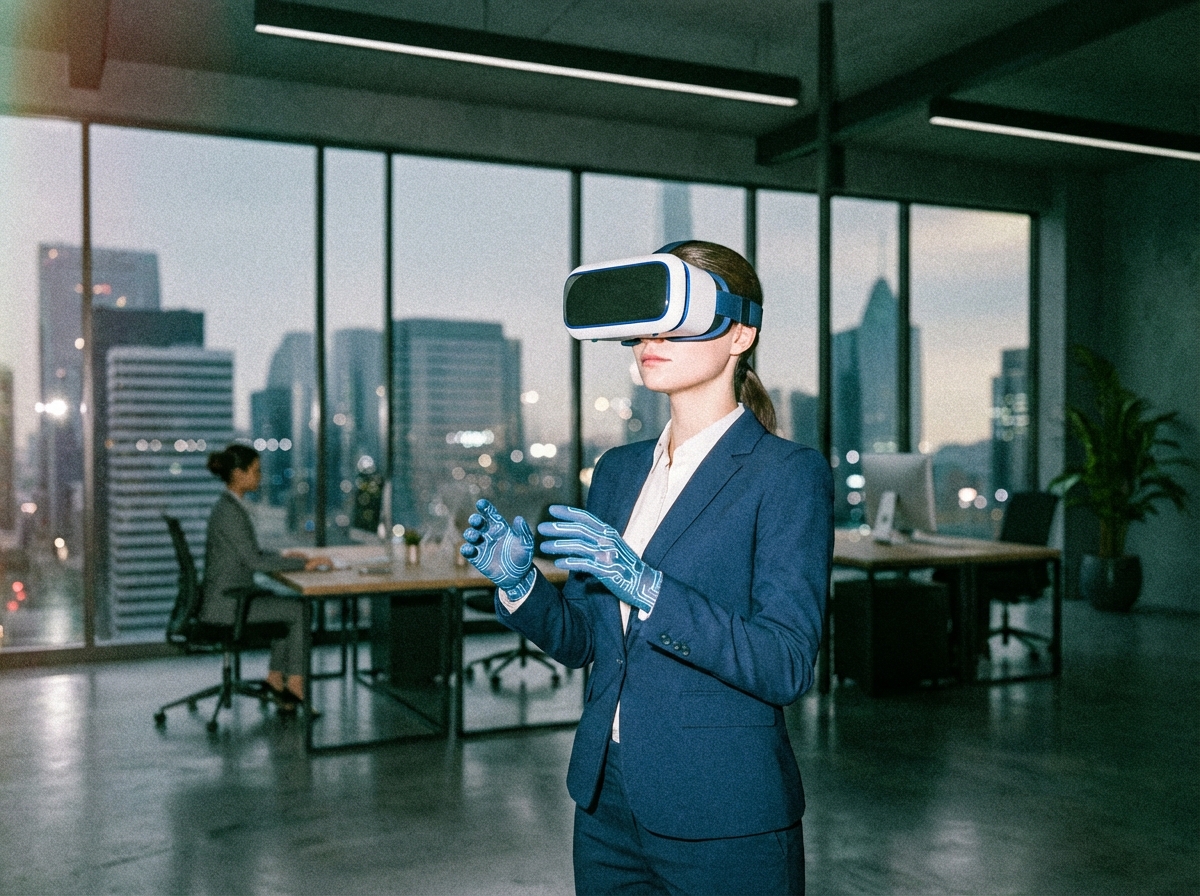
Let’s explore VR in action across various industries. These examples show how VR isn’t just a novelty but a tool for real results.
Manufacturing and VR Solutions
Manufacturers are stepping into the digital age with VR. It allows them to showcase their processes and products to potential clients globally, without the need for costly physical demos. Imagine a client in Europe being able to tour your Canadian facility virtually. This not only saves travel expenses but also speeds up the decision-making process.
Incorporating VR into manufacturing means offering prospective clients a front-row seat to your operations. They can see your commitment to quality and innovation firsthand. This aspect of manufacturing VR marketing builds trust and positions your brand as a forward-thinking leader in the industry.
Service Firms and Immersive Marketing
Service-based businesses are finding new ways to connect with customers through VR. For example, real estate firms can offer virtual property tours, giving potential buyers a realistic view of their future home without leaving their current one. This makes the process more convenient and less time-consuming.
Service firms utilizing immersive marketing tools differentiate themselves from the competition. It offers clients a taste of what they can expect, boosting confidence in their services. By providing a virtual preview, you’re enhancing the customer journey and increasing the likelihood of conversion.
Sports Fan Engagement with VR
In the sports industry, VR takes fan engagement to new heights. Imagine fans attending a virtual press conference or experiencing the adrenaline of a live game from their living rooms. This not only enhances their experience but also builds a loyal fan base willing to invest in your brand.
VR offers unique opportunities for sports organizations to interact with fans. By creating virtual experiences, you’re not just selling tickets; you’re selling unforgettable moments. This approach keeps fans coming back, eager for more, and strengthens their connection with your team.
Integrating VR with CRM and ERP
To fully harness the power of VR, integrate it with your CRM and ERP systems. This connection amplifies marketing efforts through data-driven insights.
Connecting Engagement Data
By linking VR interactions with your CRM, you gain a comprehensive view of customer behavior. This data shows how people engage with your brand in virtual environments, informing future strategies. It allows you to personalize marketing efforts, tailoring them to meet individual needs and preferences.
This integration transforms how you understand and interact with your audience. You’re no longer guessing; you’re responding to real-time data, ensuring your marketing efforts are always relevant and impactful.
PIPEDA Compliant Cloud Solutions
With the rise of digital marketing, ensuring data compliance is crucial. Canadian businesses must adhere to PIPEDA guidelines, which protect customer information. By choosing PIPEDA compliant cloud solutions, your data remains secure, and your customers’ privacy is respected.
This compliance builds trust with your audience, showing them you value their security. It also protects your business from potential legal issues, allowing you to focus on growth with peace of mind.
Enhancing B2B Marketing Innovation
VR doesn’t just benefit consumer interactions; it’s a game-changer for B2B marketing too. By integrating VR with ERP systems, you’re streamlining operations and enhancing B2B marketing innovation. This integration allows for seamless communication between departments, improving efficiency and collaboration.
With VR, you’re not just marketing to businesses; you’re partnering with them in a digital transformation journey. This approach positions your brand as a leader in innovation, attracting more B2B clients eager to benefit from your expertise.
Conclusion
Incorporating VR into your marketing strategy offers numerous benefits, from transforming customer engagement to driving sales and enhancing analytics. Real-world examples show its potential across industries, while integration with CRM and ERP systems amplifies these benefits. By embracing this technology, you’re positioning your business for growth and success in the digital age. The longer you wait, the more opportunities you miss to stand out in the market.