





Step-by-Step Guide: Implementing VR Product Demonstrations to Boost Customer Engagement in Canada
Most product demos fail to grab attention and close deals. Your customers expect more than static images or videos—they want to interact with your products like never before. This guide walks you through implementing VR product demonstrations that boost customer engagement, helping your Canadian business stand out and grow with PLATFOME AI’s all-in-one platform. https://patents.google.com/patent/US20230342836A1/en
Planning Your VR Product Demo

To kickstart your VR demo journey, it’s crucial to lay a strong foundation. This begins with understanding how VR can reshape your business interactions.
Understanding VR in Business
Virtual reality isn’t just for gamers. It’s a powerful tool for businesses looking to stand out. By using VR, you let customers interact with your products in a whole new way. Imagine a customer walking through a virtual showroom from their couch! This kind of immersive experience builds excitement and curiosity, leading to increased engagement. In Canada, where tech-savvy consumers value innovation, VR can set your business apart.
Traditionally, product demos were limited to static images or videos, but VR changes the game. It allows your customers to virtually “try” products. This interaction not only captures their attention but also gives them confidence in their purchase decisions. The result? Happier customers and better sales. So, dive into the world of VR and explore its potential for your business.
Setting Clear Objectives
Before jumping in, it’s vital to know what you want from your VR demo. Setting clear goals helps measure success. Whether it’s boosting sales, enhancing customer engagement, or simply brand awareness, having a target in mind keeps your efforts focused.
Consider what your customers need. Are they looking for detailed product insights or a unique brand experience? By answering these questions, you can tailor your VR demo to meet those needs. Clear objectives ensure that every part of your demo aligns with your business goals. This precision is key to maximizing the impact of your VR strategy.
Choosing the Right Tools
Selecting the right tools can make or break your VR demo. You’ll need software that caters to your specific needs and hardware that fits your budget. Consider the user experience – it should be intuitive and accessible. Tools like PLATFOME AI’s platform offer seamless integration, making it easier to deliver an interactive demo.
Research is critical here. Look into different VR solutions and see how they match your objectives. Think about scalability too. As your business grows, your VR tools should adapt with you. Picking the right tools ensures a smooth, engaging experience for your audience, amplifying your impact in the market.
Building and Integrating VR Solutions
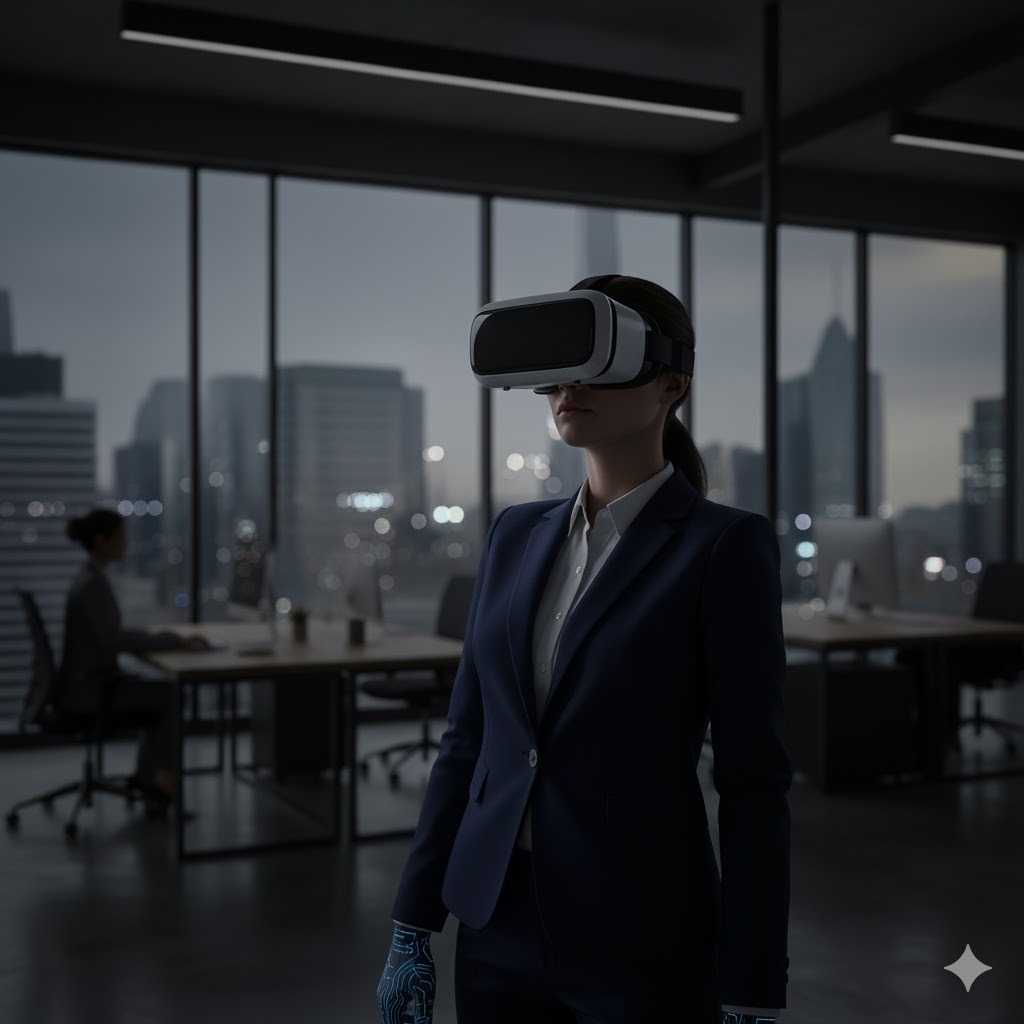
With a solid plan in place, it’s time to build and integrate your VR solution. This section guides you through creating engaging experiences and ensuring smooth operations.
Designing Immersive Experiences
The magic of VR lies in its ability to place users in another world. When designing your VR demo, focus on crafting an experience that captivates your audience from the get-go. Each interaction should feel intuitive and engaging. Aim to create an environment where your product shines, and users feel connected.
Remember, a well-designed VR demo can transport your customers to places they’ve never been. By focusing on detail and user journey, you make them feel like part of the story. It’s this level of immersion that turns potential interest into genuine excitement.
AI-Driven ERP for Seamless Integration
Integrating VR with your existing systems should be seamless. AI-driven ERP solutions, like those from PLATFOME AI, simplify this process. They ensure your VR demo complements your business operations, not complicates them. By automating backend processes, you free up time to focus on what truly matters—engaging with your audience.
These systems provide real-time data insights, helping you refine your demo based on user interaction. This adaptability ensures your VR experience remains relevant and impactful. With AI and ERP working together, your VR demo becomes a powerful tool in your business arsenal.
Ensuring PIPEDA Compliance
Incorporating VR requires handling sensitive customer data. In Canada, PIPEDA compliance is non-negotiable. It’s essential to ensure your VR solutions respect user privacy and data security. By using platforms that prioritize compliance, like PLATFOME AI, you protect your customers and build trust.
This trust is crucial. Customers need to know their data is safe when engaging with your brand. Make PIPEDA compliance a priority from the start. It not only safeguards your business legally but also strengthens your reputation as a reliable, customer-focused brand.
Launching and Measuring Success

With your VR demo ready, it’s time to launch and track its impact. This final phase ensures you’re meeting your goals and continually improving.
Effective VR Onboarding and Training
A successful launch starts with proper onboarding. Make sure your team understands the VR tools and can guide customers through the demo. Training is key—it boosts confidence and ensures smooth operation. Equip your staff with the skills to troubleshoot common issues and answer customer questions effectively.
Remember, the first impression matters. A well-prepared team enhances the customer experience, making your VR demo a memorable one. Keep training ongoing to adapt to new tools and customer feedback. This proactive approach keeps your team sharp and your customers satisfied.
Tracking Customer Engagement Metrics
After launch, it’s vital to measure how your VR demo performs. Track metrics like user interaction time, engagement rates, and feedback. These insights reveal what’s working and what needs adjustment. Tools that provide real-time analytics are invaluable here, offering a clear picture of your demo’s impact.
Use this data to make informed decisions. Whether it’s tweaking the demo for better engagement or identifying new opportunities, metrics guide your strategy. Regular analysis ensures your VR demo continually meets customer needs and business objectives.
Leveraging Predictive Analytics
Predictive analytics takes your VR strategy to the next level. By analyzing past data, you can anticipate future trends and customer behavior. This foresight helps refine your VR demo, making it more engaging and effective. Platforms like PLATFOME AI offer analytics tools that provide these insights, keeping your business ahead of the curve.
Embrace these insights to stay competitive. By understanding what customers want before they do, you position your business as a leader in innovation. Predictive analytics is more than just a tool—it’s a strategic advantage that empowers informed decision-making.